純喫茶 (Jun-kissa) refers to a unique Japanese cafe culture that developed from the Meiji to the Shōwa periods. When Western culture began to influence Japan during the Meiji era, establishments known as “cafés” emerged; however, as these venues began to feature female waitresses and serve alcohol, they gradually evolved into the style of today’s snack bars and clubs.
To distinguish them from such establishments, coffee shops that did not serve alcohol and focused primarily on coffee came to be known as 純喫茶(Jun-kissa). The word 純(Jun) means "pure", and it implies that these were places where one could enjoy coffee in its purest form, without alcohol or additional hospitality services. This distinction had already emerged by the early Showa period, and from the 1950s through the 1970s, Jun-kissa spread throughout the country.
Today, these cafes are growing in popularity among young people as places to enjoy the retro atmosphere of the Showa era, and several new Jun-kissa recreating this Showa retro style have opened, attracting a lot of attention.
The sad reality… (T_T)
However, the reality is that these traditional kissa are often run by elderly owners who have no successors, leading to a steady stream of closures. Furthermore, customers tend to go to large chains, leaving independently owned kissa largely overlooked… Since coffee shops are not designated as historic buildings worthy of preservation, even those with a rich history are often demolished once they close. It is truly sad to see these unique coffee shops dissapear — ones that could never be recreated today.
That’s why, when it comes to these traditional kissa, you have to go as soon as you feel like it! I learned this lesson the hard way from my own experience… I really wanted to visit a wonderful Jun-kissa called “
喫茶コンパル” in Takasaki City, Gunma Prefecture, but I kept putting it off because I had other things to do, and I just couldn’t seem to find the time. When I looked it up a month after making my plans, there it was on Google: the word “Closed” in red… It was something I deeply regretted.
That’s why I’m writing this down here
The atmosphere of these
classical kissa from the Taisho and Showa eras, where Western and Japanese styles blend together, is something that would be very difficult to recreate today. With carefully selected furniture, accessories, and tableware, the interiors are full of whimsy, and none of these kissa have a cookie-cutter feel. (It’s just like Neocities!)
That is why, whenever I have some free time, I visit traditional kissa. I’d like to write about their charms here. I also intend to write about modern kissa that respect the old-fashioned atmosphere, not just the long-established ones.
I feel that these modern kissa are also essential to preserving tradition. This is because tradition is something that is passed down while evolving. By incorporating new elements in a way that resonates with the young generation, and more and more people find this appealing, I believe the culture of traditional kissa can endure without disappearing.
Junkissa Log
Record of the 純喫茶 I've visited.
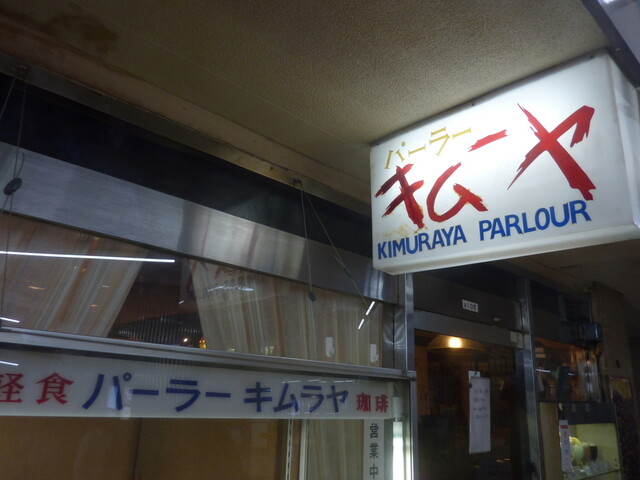
パーラー キムラヤ
Location:Shinbashi,Tokyo
Since 1967
I’ve wanted to visit "パーラー キムラヤ" ever since I read it in a book. There was already a line of customers outside. It really is popular!
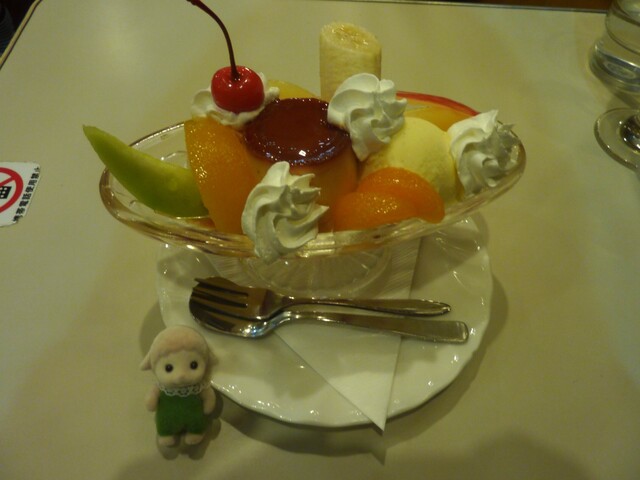
"Pudding à la Mode" looks super cute♡ The glass bowl from "二宮クリスタル".It is a brand that stopped production when the craftsman retired—was beautifully translucent and absolutely beautiful.
It was topped with every kind of fruit imaginable, which instantly made me happy ♡ It almost felt too luxurious for me. The pudding has the firm texture characteristic of the Showa era, and the caramel topping is a deep, rich brown with a glossy sheen!It looked exactly like the kind of pudding you’d see in Anime, and it was absolutely beautiful to look at. it really tasted exquisite.
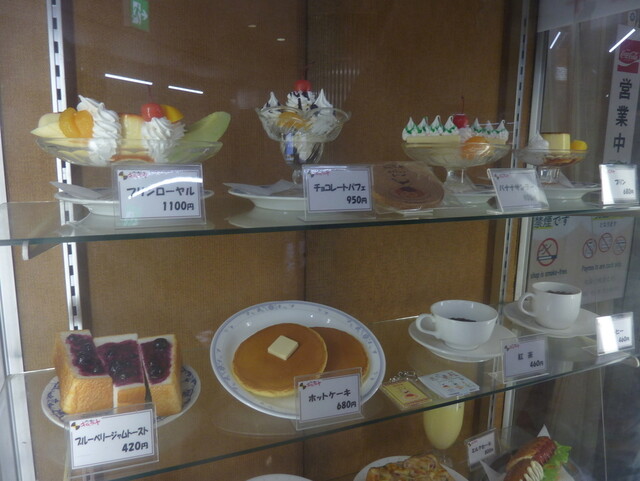
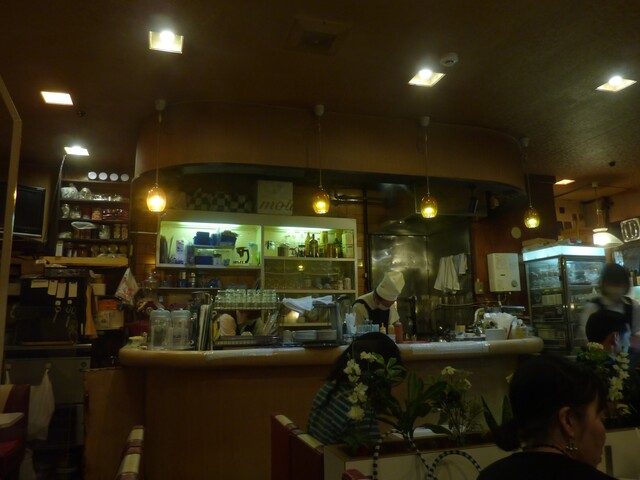
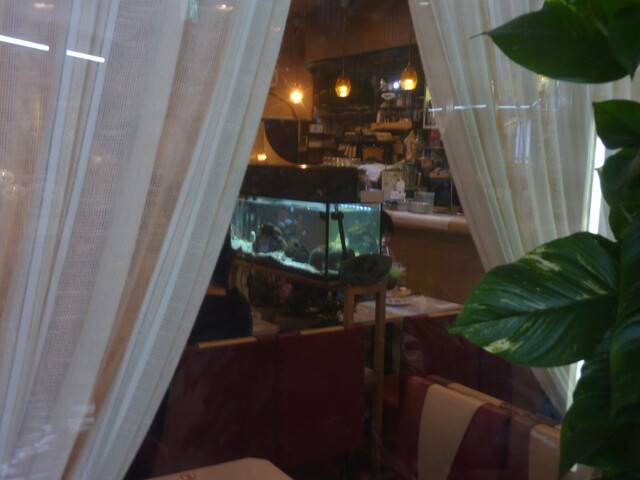
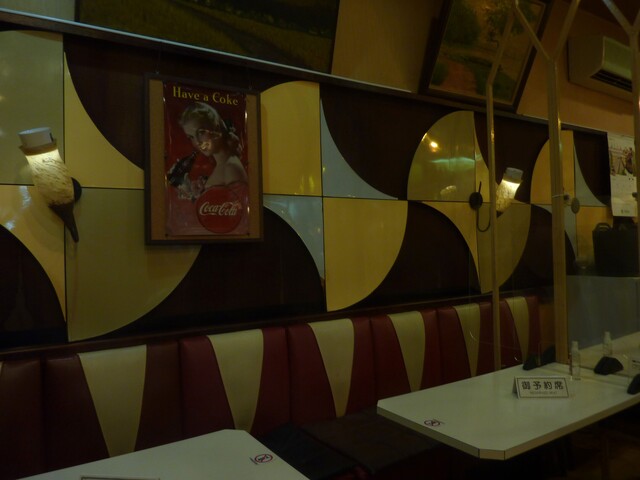
The interior has an American diner vibe.The warm lighting creates a cozy, relaxing atmosphere.In the center, there’s a small fish tank and some houseplants, and seeing so many things packed into such a small space was really cute ♡(´˘`)♡
洋菓子アマンデン
Location:Sagamihara,Kanagawa
Since 1964
The first floor is a cake shop, and the second floor is a Kissa. As you walk upstairs, you’re greeted by beautiful stained glass. Inside, there's a large, luxurious chandelier, and the walls are covered with mirrors. The whole place felt sparkling and dreamy, like something out of a shoujo manga (>_<)♡☆ For some reason, it reminded me of Revolutionary Girl Utena. I could totally imagine Anthy and Chu-Chu having tea here♪
I was the only customer, so I took the best seat by the window and spent a relaxing time. From there, I could see passing trains and the peaceful townscape of Higashirinkan. It felt calm and peaceful ♡
I ordered a meat pie and a chocolate cake. The meat pie was crispy, juicy, and cooked just right. The cake had a gentle, not-too-sweet flavor typical of old-fashioned kissa, which I really liked ♪
フロリダ
Location:Yamato,Kanagawa
Since 1970(?)
The walls are covered with all sorts of obscure photos and posters. The sofa, with its bold purple and green color pattern, is so unique⋆⟡ Who can chose this experimental color combination nowadays?
I was fascinated by the whimsical Showa-era interior.It would feel fake if you tried to recreate it today. This sense of chaos somehow gives off a Vaporwave vibe.
The cream soda has a super cute Showa-retro vibe, and the matcha cake has that gentle, subtly sweet flavor unique to classical kissa. It was so delicious*・゜
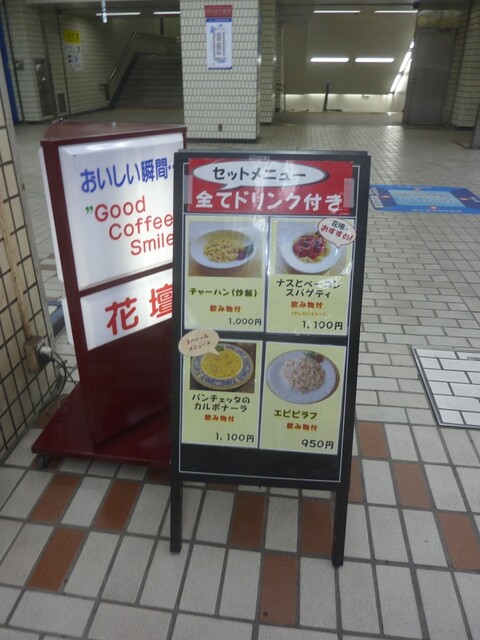
花壇
Location:Yokohama,Kanagawa
Since 1968
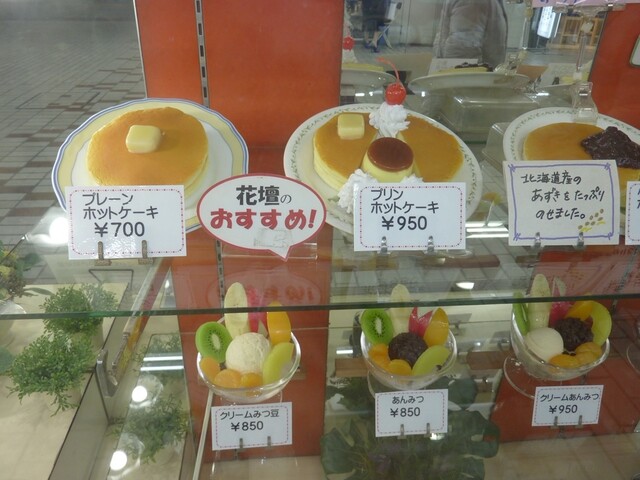
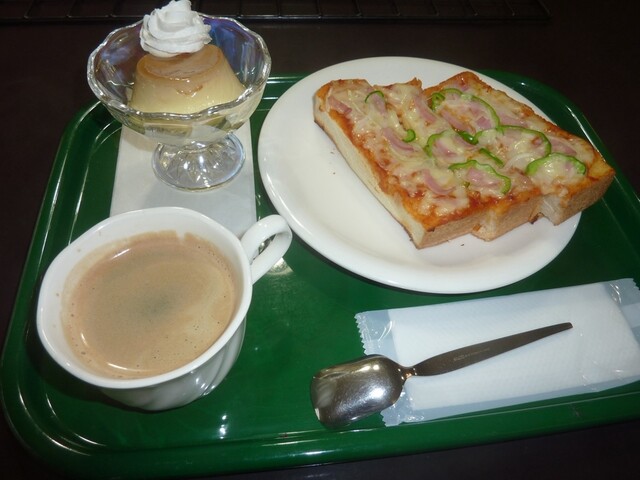
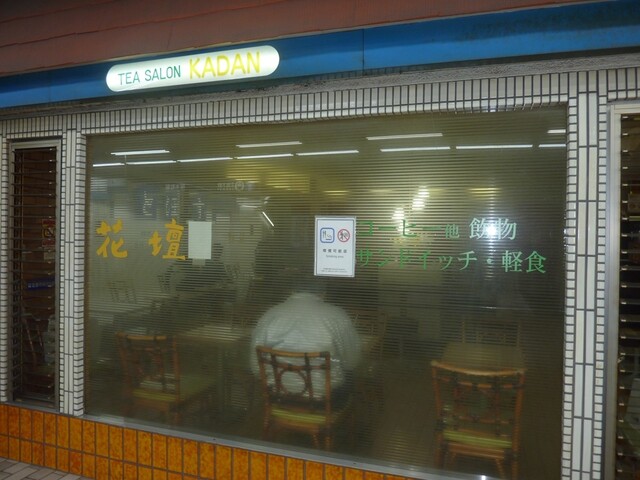
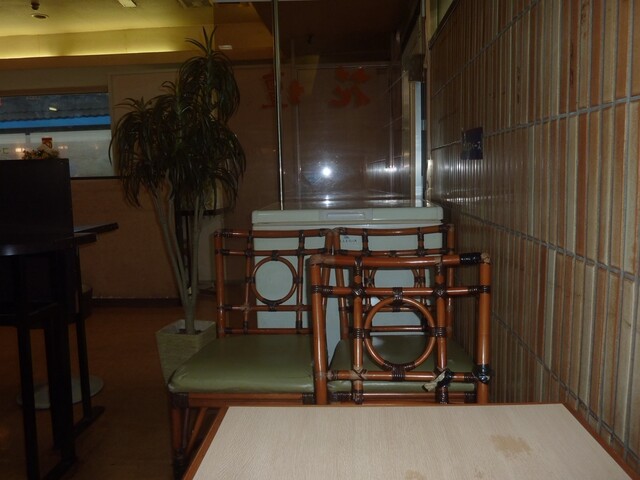
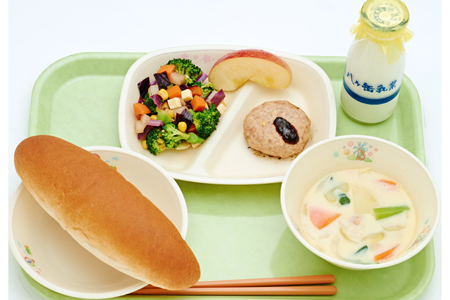
Located in a building called “ぴおシティ” in Sakuragicho which still retains a hint of Showa-era atmosphere,"花壇" feels like a kissa frozen in the Showa era. Ordering from the ticket machine was a unique and fun experience✮*。゚ The food I ordered came out on a green tray, which reminded me of elementary school lunches!
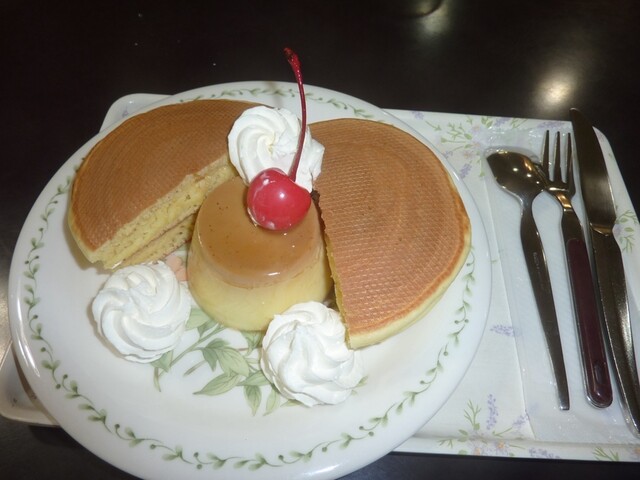
Traditional firm-textured pudding, cute-looking pancakes, and pizza toast! The flavors were warm and delicious without being too sweet ෆ.*・゚
From the old lady standing and reading the newspaper to the old man pouring an absurd amount of Tabasco on his pasta, every customer felt like one of those slightly odd but unforgettable side characters from a small-town mystery drama. I could really feel that I had stepped into a hardcore local Jun-kissa lol
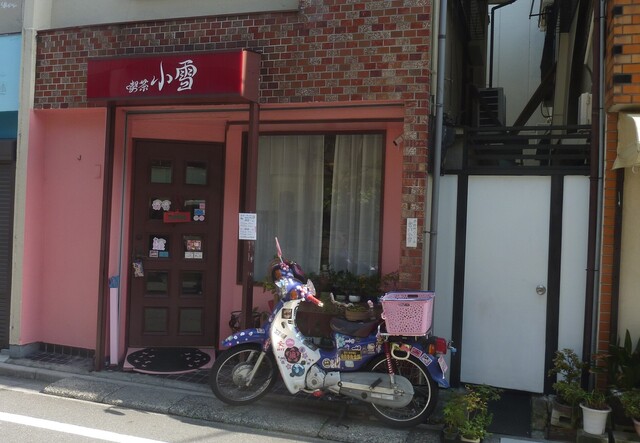
喫茶 小雪
Location:Tokiwadai,Tokyo
Since 2023
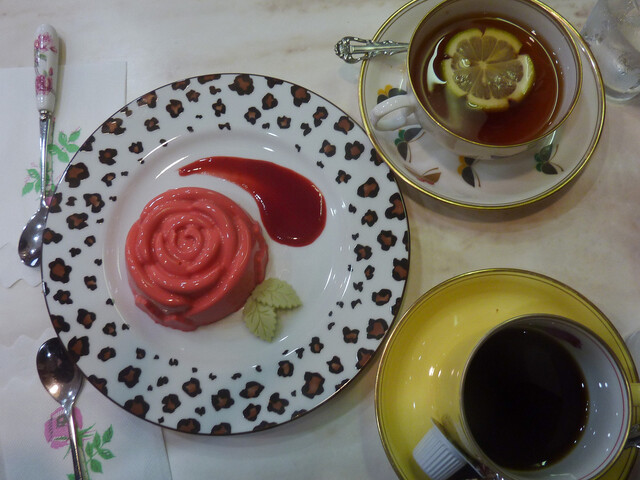
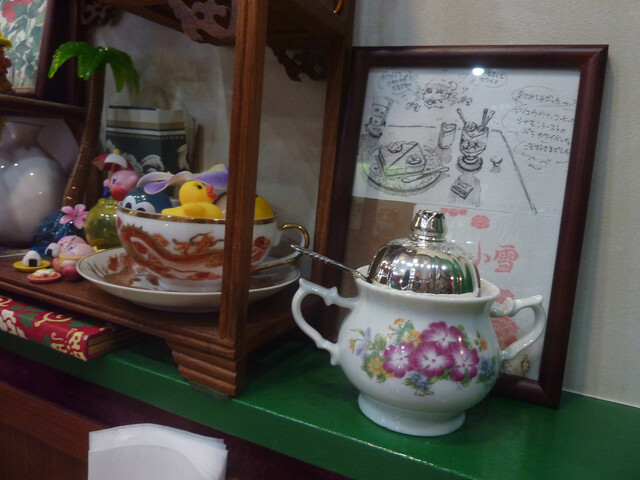
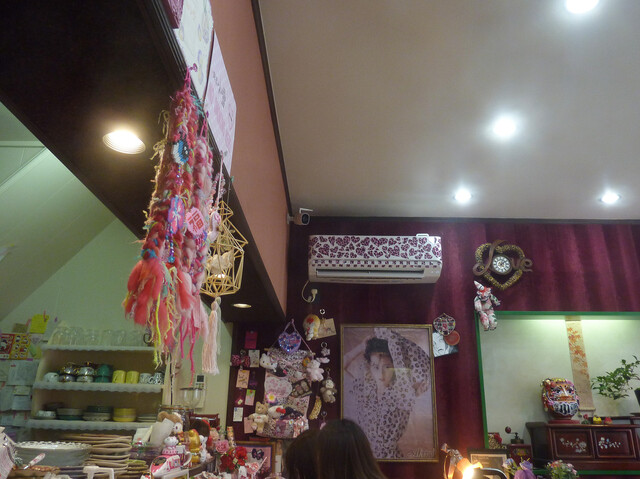
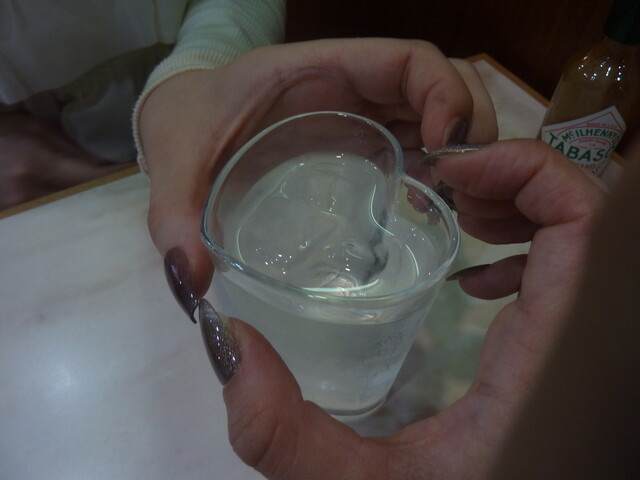
A poster of Akina Nakamori, a leopard-print sofa, Hello Kitty merchandise, a Daruma doll decorated gyaru style, and heart-shaped cups. From the interior design to the knick-knacks and tableware, everything is sooooo cute♡(´˘`)♡
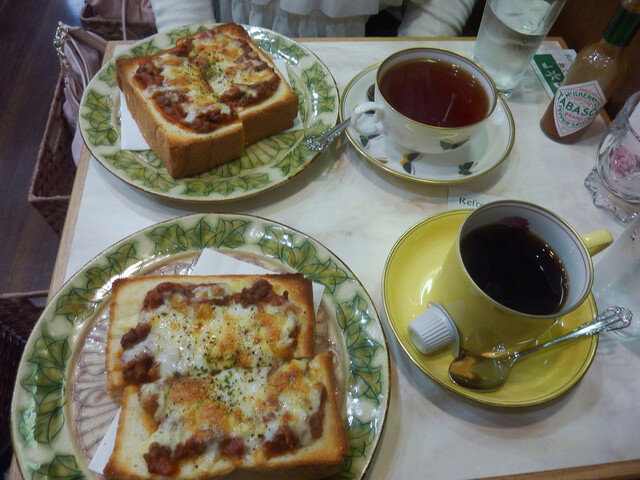
The rose panna cotta looked as cute as something out of a shoujo manga, and the toast was thick and loaded with toppings. It really made me happy♪
This kissa opened recently, but the owner respects Showa-era coffee shops while blending in elements of Heisei and Reiwa culture✮*。゚ I felt so soothed in this lovely space. The interview with the shop owner, 倉田小雪さん is really great! I want everyone to read it!